




To Buy Vibramycin Online Visit Our Pharmacy ↓

Common Vibramycin Side Effects Patients Notice
Many patients taking Vibramycin notice mild side effects early on, especially during the first few doses. These can include an upset stomach, loose stools, headache, or a strange metallic taste that seems to linger after swallowing the capsule. For some, the medicine feels effective but a little uncomfortable at first.
In everyday use, these reactions are often manageable and may fade as the body adjusts. Taking the medication with food and a full glass of water can help reduce irritation, while staying upright afterward may prevent throat discomfort. Small habits often make a noticeable difference.
| Common reaction | What patients may feel |
|---|---|
| Stomach upset | Nausea or mild cramping |
| Headache | Light to moderate pressure |
| Taste changes | Metallic or bitter taste |
Digestive Discomfort and Nausea Explained

Vibramycin can sometimes upset the stomach, leaving patients feeling queasy, bloated, or uncomfortable after a dose. These digestive reactions are among the most common reasons people notice the medicine in their daily routine. Taking it on an empty stomach may increase nausea for some, while others only feel a mild wave of discomfort that passes quickly.
A simple meal or snack often helps soften the impact, though dairy products and antacids should be spaced apart because they can affect absorption. Drinking a full glass of water and staying upright for a while after swallowing the capsule may also reduce irritation in the esophagus and stomach.
If nausea becomes persistent, vomiting starts, or diarrhea is severe, the problem should not be ignored. Most cases are manageable, but ongoing symptoms can signal that the body is struggling with the treatment. Knowing these patterns helps patients use vibramycin more comfortably and safely.
Sun Sensitivity: Why Your Skin Reacts
Vibramycin can make your skin much more reactive to sunlight, even after a short walk outdoors. This happens because the medicine increases photosensitivity, meaning ultraviolet rays are more likely to trigger redness, burning, or an unusually fast sunburn. Some people notice their skin feeling warm or itchy before any visible reaction appears, especially on the face, arms, and neck.
To lower the risk, use broad-spectrum sunscreen, wear protective clothing, and avoid direct sun during peak hours. Tanning beds can cause the same problem. If your skin starts to sting or darken quickly while taking vibramycin, treat it as an early warning sign and take extra precautions right away.
Allergic Reactions and Warning Signs
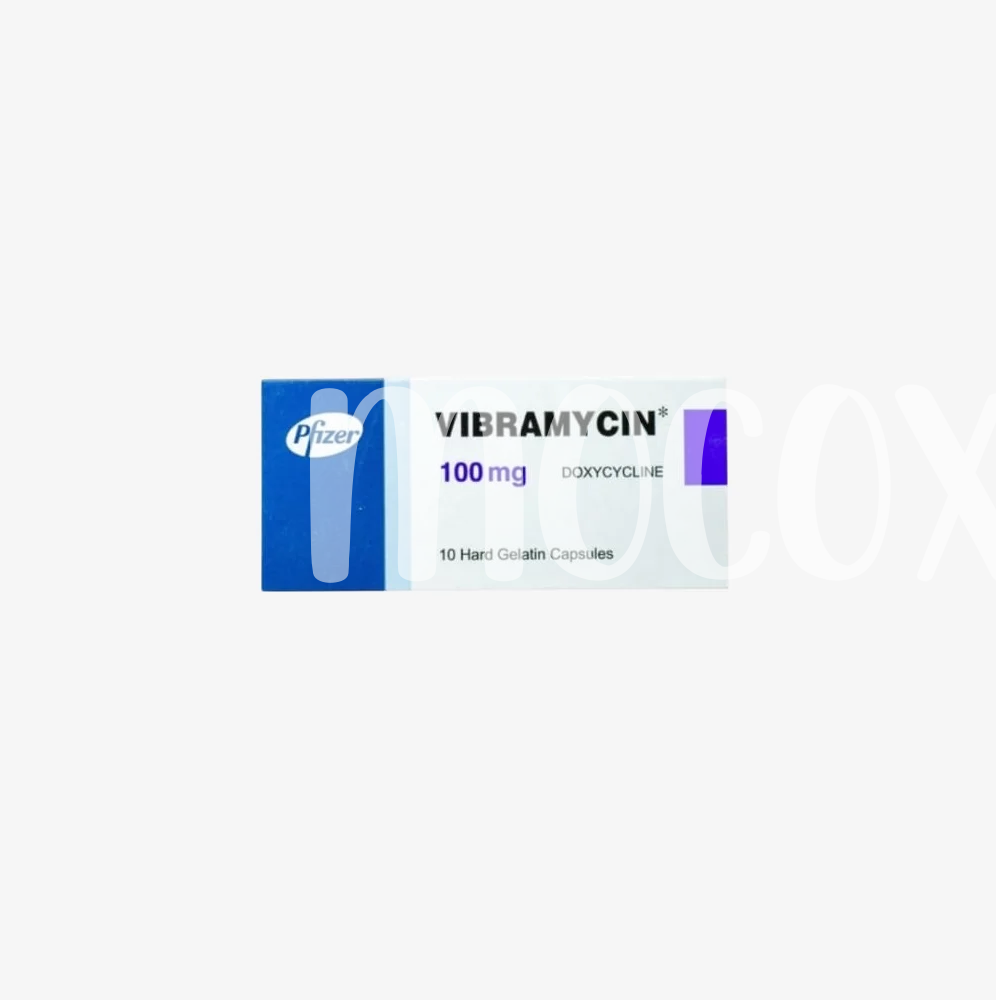
For most people, vibramycin is well tolerated, but a few may develop an unexpected immune response after a dose or two. What begins as a mild itch or faint redness can quickly become more serious, so paying attention early matters.
Watch for hives, swelling of the lips or face, tightness in the chest, wheezing, or trouble swallowing. These are not symptoms to ignore, especially if they appear soon after taking the medicine. A rash that spreads fast can also be a warning sign.
If any of these changes happen, stop taking the medication and seek urgent medical help right away. A true allergy can progress unpredictably, and prompt action helps prevent a more dangerous reaction. It is always safer to call sooner.
Keep a record of what happened and tell your healthcare provider before using vibramycin again. Share details about the timing, dose, and symptoms, since this helps determine whether the reaction was mild irritation or a true allergy.
Long-term Use Risks and Precautions
When vibramycin is taken for extended periods, the benefits can be significant, but patients should stay alert to hidden trade-offs. Prolonged use may affect the balance of normal bacteria in the gut, increase the chance of yeast infections, and, in some people, contribute to antibiotic resistance. Doctors may also monitor for changes in liver function or unusual skin reactions if treatment lasts longer than expected.
Precautions matter: take vibramycin exactly as prescribed, avoid doubling doses, and keep every follow-up appointment. If you use other medications, ask about interactions, especially with supplements containing calcium, iron, or magnesium.
| Tip | Wait 2 hours before or after dairy or minerals |
When Side Effects Need Medical Attention
Sometimes Vibramycin side effects are mild and fade as your body adjusts, but certain symptoms should never be brushed off. If severe stomach pain, persistent vomiting, watery or bloody diarrhea, trouble swallowing, or intense headache with vision changes appear, it is time to seek medical advice.
A rash, swelling, wheezing, or chest tightness can signal an allergic reaction and may become urgent quickly. Call a healthcare professional right away if symptoms worsen, feel unusual, or interfere with daily life. Acting early helps prevent complications and ensures the medication remains safe and effective.