




To Buy Vermox Online Visit Our Pharmacy ↓

Vermox Basics: What It Is and Does
Vermox is a well-known antiparasitic medicine used to treat common intestinal worm infections. It works by interfering with the worms’ ability to absorb glucose, which they need for energy and survival. As the worms weaken, they gradually stop moving, feeding, and reproducing, allowing the body to clear them out naturally. For many people, this makes Vermox a simple and effective option when symptoms like stomach discomfort, itching, or digestive upset suggest a worm infection.
What makes Vermox especially practical is that it is usually taken as a short course, depending on the type of infection. It is often used for pinworms, roundworms, and whipworms, and doctors may recommend it for other related parasites as well. Although it does not work instantly, its targeted action helps treat the cause of the problem rather than just masking symptoms. In this way, Vermox supports recovery in a direct and focused manner.
| Vermox | Antiparasitic medicine |
| Main use | Treats intestinal worm infections |
| How it works | Stops worms from using glucose |
How Vermox Targets Common Worm Infections
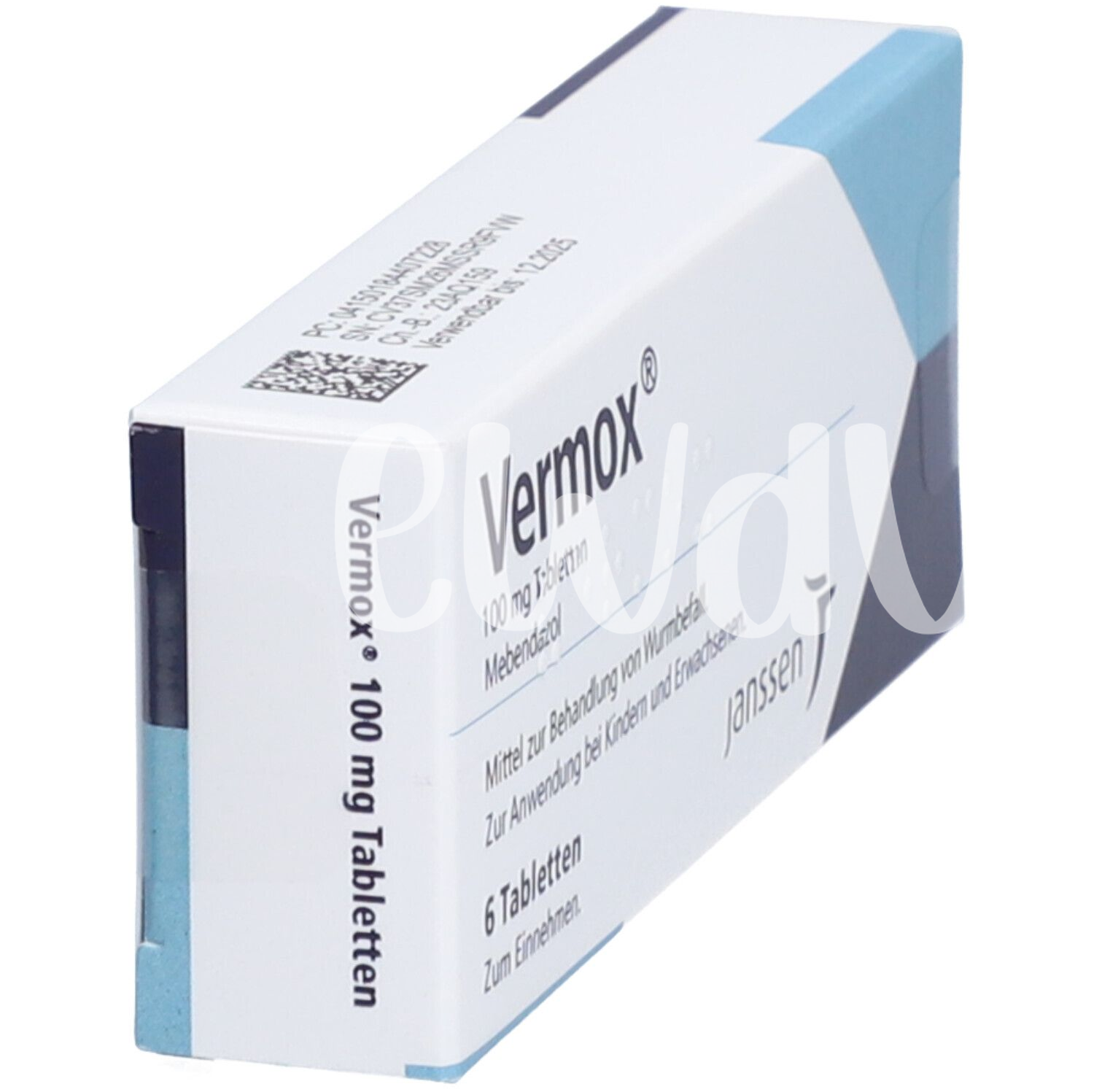
Vermox works by disrupting the worms’ ability to absorb glucose, their main energy source. Without fuel, the parasites weaken, lose movement, and gradually die off.
This action helps vermox target common intestinal worms such as pinworms, roundworms, whipworms, and hookworms. It does not simply mask symptoms; it attacks the infection at its core.
As the worms can no longer survive, the body naturally clears them from the digestive tract. That makes treatment practical and effective, especially when infections spread quietly before signs appear.
The Science Behind Vermox’s Active Ingredient
Vermox works because its active ingredient, mebendazole, is designed to interrupt a worm’s ability to survive. Once swallowed, it enters the digestive tract and begins affecting the parasites where they live. The medicine is not meant to act like a painkiller or quick fix; instead, it targets the biology of the worms themselves.
Mebendazole blocks the worms from absorbing glucose, their main source of energy. Without fuel, their cells weaken, movement slows, and reproduction becomes impossible. This creates a gradual but powerful effect, making vermox especially useful against common intestinal worms.
As the parasites lose energy, they are unable to cling to the intestinal wall or continue feeding. Over time, the body naturally clears them out through normal digestion. This targeted action is what makes vermox both effective and scientifically precise.
What Happens after You Swallow Vermox
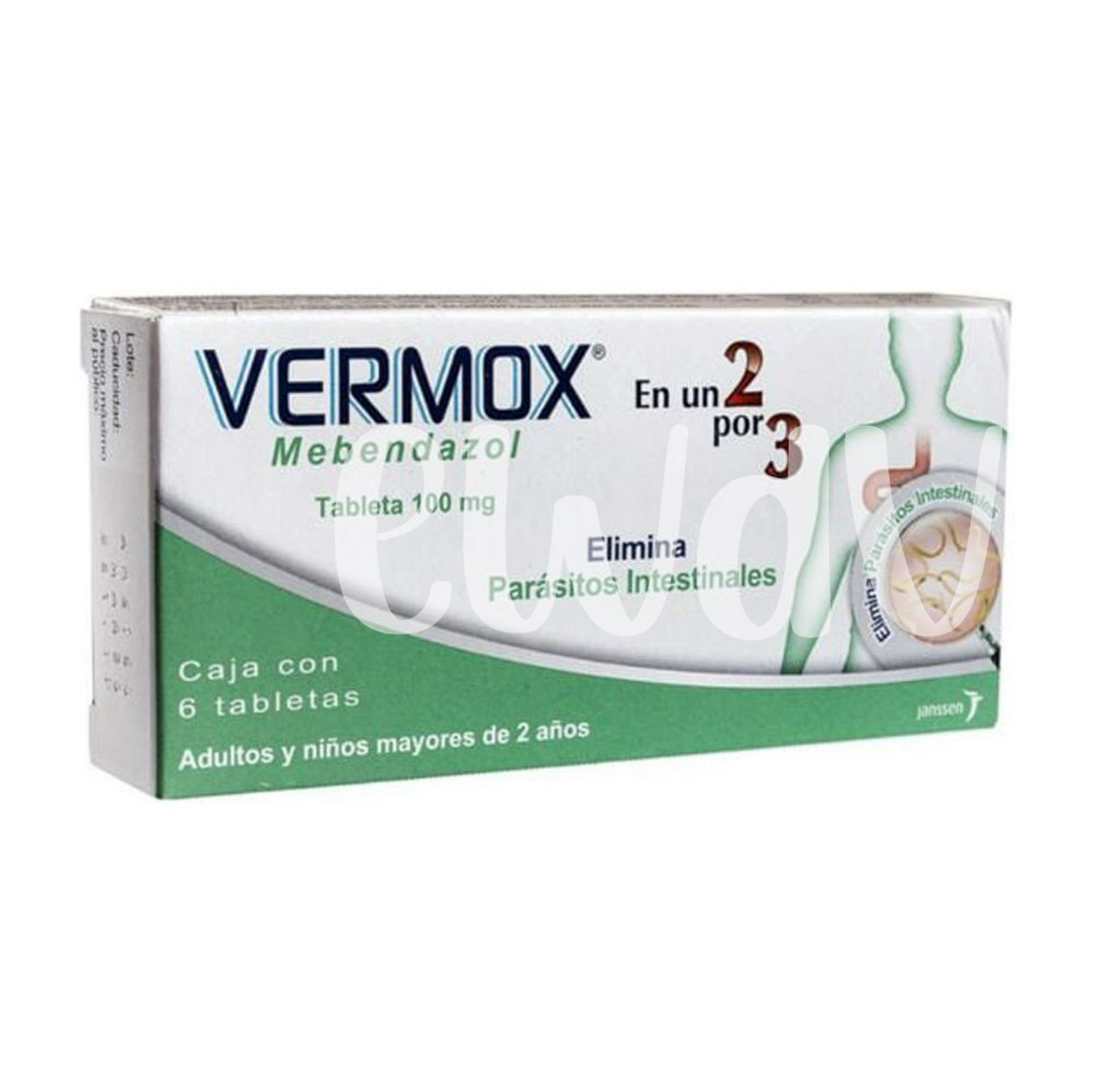
After you swallow Vermox, the tablet moves through your stomach and into the small intestine, where it begins to do its work. The active ingredient, mebendazole, is absorbed in only small amounts, so most of the action happens right in the gut. There, it starts interfering with the worms’ ability to take in glucose, which they need for energy and survival. As their fuel supply runs out, the parasites become weaker and can no longer thrive.
Over the next hours and days, the worms gradually lose function and are cleared from the body through normal bowel movements. Vermox is designed to act locally, making it effective against common intestinal worm infections while causing limited systemic exposure. Depending on the infection, you may not notice changes immediately, but the medicine is already working behind the scenes to stop the parasites from continuing their life cycle.
How Quickly Vermox Starts Working
After taking Vermox, many people wonder how soon they’ll notice a change. The answer is not instant, but the medicine begins acting in the gut fairly quickly, where it blocks worms from absorbing the nutrients they need to survive.
In some cases, Vermox starts working within hours, though visible improvement may take longer. Since the dead or weakened worms must still be cleared from the body, symptoms can ease gradually rather than all at once.
The timing can vary depending on the type of infection and how the body responds. Even if you feel better fast, the full effect may continue over the next few days.
| Stage | What May Happen |
|---|---|
| First hours | Medicine begins acting in the intestine |
| Next days | Worms weaken and are eliminated |
Factors That Influence Vermox’s Effectiveness
Vermox works best when it is taken exactly as prescribed, because timing and dosing help the medicine reach parasites at the right level in the intestine. Infections may also differ in severity, so a single dose can be enough for some cases while others need a longer course. NHS mebendazole guide MedlinePlus mebendazole
Food, age, and overall health can influence how well treatment seems to work. A healthy gut and good medication absorption support the effect, while missed doses or vomiting soon after taking it can reduce results. Drugs.com mebendazole overview MSD Manual mebendazole
Reinfection is another hidden factor, especially in households where eggs spread through hands, bedding, or shared surfaces. Even after the worms are cleared, poor hygiene can bring the problem back and make the treatment feel less effective. CDC pinworm prevention CDC whipworm information
For the best outcome, patients should follow directions carefully and complete any recommended repeat treatment. When medication use is paired with clean habits, Vermox has a much better chance of doing its job fully. WHO helminth facts NCBI mebendazole review