




To Buy Robaxin Online Visit Our Pharmacy ↓
How Robaxin Supports Healing after Injury
After an injury, sore muscles often stay tight long after the initial strain has begun to settle. Robaxin can help by easing that involuntary guarding, which may let you move more naturally and with less discomfort. As tension decreases, simple actions like standing, walking, or doing prescribed stretches can feel more manageable, supporting the body’s own repair process.
This does not heal tissue directly, but it can create a better environment for recovery by reducing pain-driven spasms that interfere with rest and mobility. When muscles are less rigid, circulation and physical therapy exercises may be easier to tolerate, helping you stay consistent with the plan your clinician recommends.
| Tip | Use exactly as prescribed |
Common Effects You May Notice First

As robaxin begins working, many people notice a gentle easing of tight, stubborn muscles. That first shift can feel subtle, like tension slowly unwinding after days of guarding an injured area.
You may also feel a bit drowsy, lightheaded, or less sharp than usual, especially when standing up quickly. These effects often appear early and are usually part of how the medicine helps your body relax.
Some people describe a sense of calm as pain-related spasms become less frequent. Others simply notice they can move more comfortably, sleep better, or complete daily tasks with less strain.
These early changes can be reassuring, but it helps to pay attention to your body and pace yourself. Drinking water, resting, and avoiding sudden movements may make the adjustment smoother during recovery.
Managing Muscle Relaxation during Recovery
As recovery begins, the body often feels like it is guarding itself. Tight muscles can make every movement seem harder than it should, especially after an injury or surgery. robaxin may help ease that tension, creating a window where walking, stretching, and resting feel more manageable. This calmer state can support the healing process by reducing spasms that interfere with sleep, posture, and basic daily tasks.
Still, relaxation should not mean doing nothing. Gentle movement, short walks, and simple range-of-motion exercises often work best when paired with prescribed treatment. Listening to your body matters: if a stretch feels sharp or a muscle starts to cramp, slow down and let the area settle. Many people notice that consistent, moderate activity helps the muscles relearn how to move without constant guarding.
Hydration, proper nutrition, and enough sleep also make a difference. Muscles recover better when they are not exhausted or dehydrated, and that can improve how well robaxin fits into the routine. A balanced approach usually brings the best results.
Over time, the goal is not only less pain, but smoother movement and greater confidence.
Staying Safe While Using Robaxin Daily
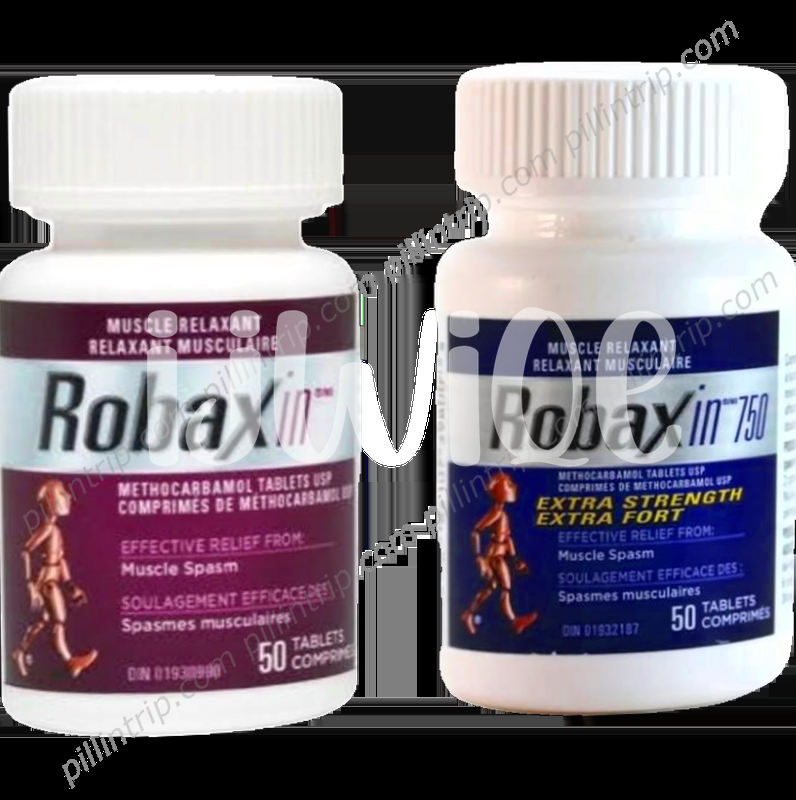
Taking robaxin daily can be helpful, but safety starts with using it exactly as prescribed. A steady routine reduces the chance of missed doses or accidental overuse, and it also helps you notice how your body responds.
Pay attention to sleepiness, dizziness, or slowed reaction time, especially when you first begin treatment. Until you know how robaxin affects you, move carefully when standing, driving, or using stairs.
It is also wise to avoid alcohol and to check with your clinician before adding new medicines, including cold remedies or pain relievers. Some combinations can increase drowsiness or unwanted side effects.
Keep your medication list updated, drink enough water, and report anything unusual during recovery. Small habits like these make daily use safer and support a smoother healing process.
Activities to Avoid during Treatment
While taking robaxin, it helps to slow down and listen to your body. Heavy lifting, intense workouts, and sudden twisting movements can strain muscles that are trying to recover. Even if pain starts to fade, pushing too hard too soon may delay healing and increase stiffness later.
It is also wise to avoid driving or operating machinery until you know how the medication affects you. Robaxin can cause drowsiness, dizziness, or blurred focus, especially when combined with alcohol or other sedating medicines. A calm routine gives your nervous system room to settle.
| Avoid | Why it matters |
|---|---|
| Alcohol | May intensify drowsiness |
Choose gentle walking, rest breaks, and controlled movement instead. Small, careful steps often support recovery better than dramatic bursts of effort.
Signs Your Recovery Is Progressing Well
As recovery settles in, you may notice the ache easing sooner after activity, with fewer spasms interrupting sleep or daily tasks. Movements that once felt guarded can start to feel smoother, and your posture may improve as muscles relax and stop bracing against pain. Energy often returns in small steps, too, making it easier to stay consistent with rest, hydration, and gentle exercise. NCBI Bookshelf FDA label
Another encouraging sign is needing less effort to get through ordinary routines, like walking, reaching, or getting up from a chair. You might also find that pain flares are shorter and less intense, especially when you follow your treatment plan. These steady improvements matter because they suggest your body is adapting and healing rather than reacting to strain. NCBI Review MedlinePlus