




To Buy Pepcid Online Visit Our Pharmacy ↓
What Pepcid Does in the Body
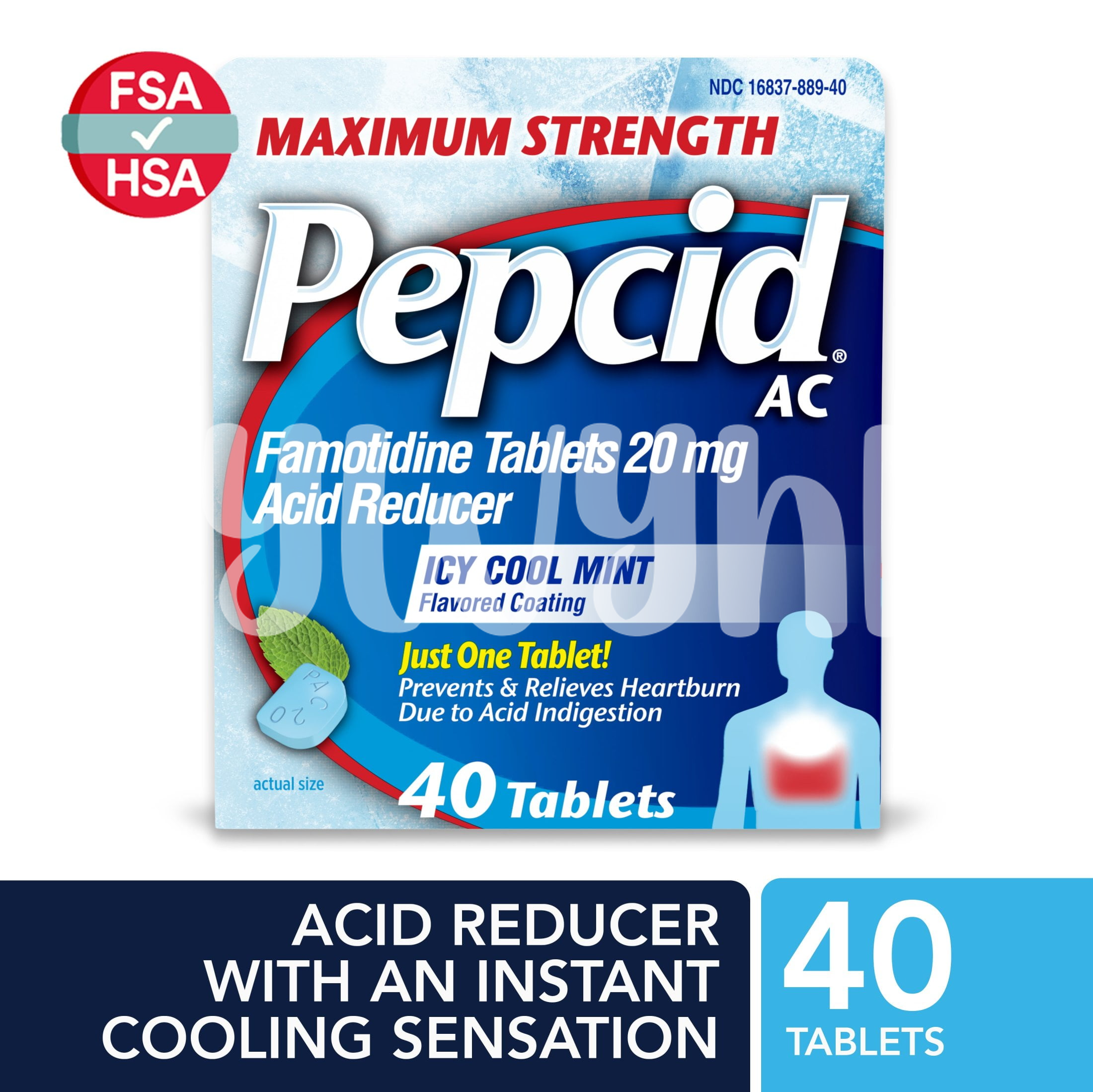
Pepcid works by blocking histamine-2 receptors in the stomach, which signals the body to produce less acid. For many people, that means less burning, less irritation, and a better chance for inflamed tissue to calm down. It is often used for heartburn, acid reflux, and stomach discomfort that flares after meals or at night.
By lowering acid, Pepcid can help the stomach and esophagus feel less “on fire” when too much acid is the problem. It does not neutralize acid already present; instead, it reduces future acid release. That makes it useful for easing symptoms and helping protect the lining from repeated irritation.
| Pepcid | Reduces acid production | Helps with heartburn and reflux |
How Alcohol Affects Stomach Acid
Alcohol can quickly upset the balance your stomach works so hard to maintain. At first, it may seem harmless, but even moderate drinking can stimulate acid production and irritate the lining of the stomach. For some people, that means a burning sensation, nausea, or a sour taste after a few drinks.
Alcohol also relaxes the lower esophageal sphincter, the muscle that helps keep acid where it belongs. When that barrier loosens, acid can rise upward and cause heartburn or reflux. If you already struggle with indigestion, the effect may feel stronger and last longer.
This is why pepcid is often discussed in relation to drinking: it may help reduce acid, but it does not stop alcohol’s irritating effects.
The result is a stomach that feels more exposed, especially after spicy food or drinking on an empty stomach.
Mixing Pepcid and Alcohol: Potential Risks
Taking Pepcid and alcohol together is not usually a dangerous combination for most healthy adults, but it can still create problems. pepcid works by lowering stomach acid, while alcohol can irritate the stomach lining and trigger more acid production. When these effects overlap, you may notice worsening heartburn, nausea, bloating, or a sour stomach, especially if you drink more than a small amount.
The risk also depends on your body and your habits. If you already have reflux, ulcers, liver disease, or a history of stomach irritation, alcohol may make symptoms harder to control even if Pepcid is on board. In some people, drinking can also hide early signs that the stomach is getting more inflamed, which can delay needed care.
Another issue is that alcohol may make it easier to ignore medication timing. A missed dose or extra drinking session can turn a manageable symptom into a flare-up that lasts all night. Listening to your body matters here.
When Drinking Becomes More Problematic

Drinking becomes more concerning when it shifts from an occasional social habit to a regular pattern. At that point, alcohol can more often irritate the stomach lining, increase acid production, and make heartburn or reflux harder to control. Even if pepcid helps calm symptoms, it cannot fully offset the effects of repeated drinking, especially after larger amounts or on an empty stomach.
The risk is also higher for people who already deal with gastritis, ulcers, or frequent indigestion. Alcohol may trigger flare-ups, delay healing, and blur the line between simple discomfort and something more serious. In these situations, the stomach may feel fine one day and inflamed the next, making symptoms less predictable.
If drinking is causing pain, nausea, vomiting, or nighttime reflux, it may be time to cut back and pay closer attention. Persistent symptoms should not be ignored, since they can signal that the body is struggling to keep up.
Safer Choices for Occasional Drinkers
If you drink occasionally, the safest approach is to keep it simple and intentional. Choose one drink, sip slowly, and pair it with food so your stomach is not left empty. Water between drinks can also help reduce irritation and keep you more comfortable while using pepcid.
For many people, lower-acid choices are easier on the stomach. A light beer, a small glass of wine, or a single mixed drink with non-citrus ingredients may be gentler than cocktails loaded with soda, juice, or energy drinks. Avoid binge drinking, because that is when heartburn and discomfort are most likely to flare.
| Better choice | Why it may help |
|---|---|
| Eat first | Buffers stomach acid |
| Drink water | Slows intake and supports hydration |
| Skip spicy mixers | May reduce irritation |
If you notice burning, nausea, or dizziness after drinking, stop and give your body a break. Listening to those early signals is often the simplest way to stay safe and avoid turning one casual drink into a rough night.
When to Ask a Doctor or Pharmacist
If heartburn keeps returning despite Pepcid, or if you need it more often than directed, it’s worth checking in with a healthcare professional. Persistent symptoms can signal something beyond simple acid irritation, such as an ulcer, reflux, or another digestive issue that needs different care.
A doctor or pharmacist can also help if you drink regularly, take other medications, or have liver disease, kidney problems, or a history of stomach bleeding. These factors can change how Pepcid works and whether alcohol is making things worse.
A quick conversation can prevent bigger problems later. It’s especially important to seek advice if you notice black stools, vomiting, chest pain, trouble swallowing, or sudden weight loss.