




To Buy Paxil Online Visit Our Pharmacy ↓

Understanding Paxil’s Role in Anxiety Treatment
Paxil is often prescribed when anxiety begins to dominate daily life, making even routine tasks feel overwhelming. As an SSRI, it is designed to help reduce excessive worry, tension, and fear by supporting steadier mood regulation over time. For many patients, it becomes part of a broader treatment plan that may also include therapy, sleep improvements, and lifestyle changes.
What makes Paxil notable is its long history in anxiety care, especially for conditions like panic disorder and generalized anxiety disorder. Doctors may choose it when symptoms are persistent, severe, or difficult to manage with nonmedication approaches alone. Its role is not to erase anxiety instantly, but to help create enough relief for people to regain control and function more comfortably.
| Key role | Anxiety symptom management |
How Paxil Works Inside the Brain
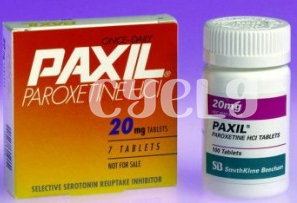
Paxil, or paroxetine, belongs to a class of medicines called SSRIs. It works by increasing serotonin availability in the brain, a neurotransmitter linked to mood, calm, and emotional balance.
When serotonin signals stay active longer between nerve cells, the brain can gradually reduce the intensity of anxious thoughts and physical tension. This shift does not happen instantly; it builds over days and weeks.
Over time, paxil may help the brain respond less sharply to stress, making worry feel less overwhelming. That is why many people notice a steadier mood and fewer panic symptoms with continued use.
Its effects are biochemical, but the result is deeply human: a quieter mind, improved control, and more room to breathe through daily life.
What Clinical Studies Reveal about Effectiveness
Clinical trials have shown that paxil can meaningfully reduce symptoms in many people with generalized anxiety, panic disorder, social anxiety, and related conditions. In these studies, patients often reported feeling less tense, fewer racing thoughts, and more control over daily situations after several weeks of treatment. Researchers also found that its benefits tend to build gradually, which matters because early improvement can be subtle before becoming more noticeable.
The evidence suggests paxil is especially helpful when anxiety is persistent and disruptive, though results vary from person to person. Some participants respond strongly, while others need dose adjustments or a different medication altogether. Overall, the research paints a clear picture: paxil can be an effective option, but success depends on matching the treatment to the individual’s symptoms, history, and tolerance.
Common Side Effects and Tolerability Concerns

Paxil can help ease anxiety, but many people notice side effects in the first days or weeks. Nausea, drowsiness, dry mouth, dizziness, and headache are among the most common early reactions. For some, these symptoms fade as the body adjusts; for others, they can feel distracting enough to affect daily routines.
Tolerability varies from person to person, so what feels mild for one patient may be harder for another. Weight changes, sweating, sexual side effects, and sleep disturbances may also appear and can influence whether someone stays on treatment. Starting at a lower dose often helps reduce discomfort.
Because Paxil affects brain chemistry gradually, patience and monitoring matter. Talking with a clinician about new symptoms, dose timing, or alternative options can make treatment easier to manage. With the right adjustments, many people find the benefits outweigh the temporary hurdles.
Comparing Paxil with Other Anxiety Medications
Paxil is often compared with SSRIs like sertraline and escitalopram because all can reduce anxiety by increasing serotonin activity. In practice, paxil may feel more sedating, which some people find helpful if worry keeps them awake.
That said, its stronger anticholinergic effects can make dry mouth, constipation, or weight gain more noticeable than with newer options. For patients sensitive to side effects, those differences matter.
Unlike benzodiazepines, Paxil is not meant for immediate relief; it works gradually and supports long-term control. Tricyclics may be effective too, but they often bring more cardiovascular and cognitive risks.
| Medication | Common Advantage |
|---|---|
| Paxil | Strong anxiety reduction |
| Sertraline | Often easier to tolerate |
| Escitalopram | Simple dosing |
Key Factors That Influence Treatment Success
Treatment success with Paxil often depends on more than the medication itself. The right dose, careful monitoring, and patience during the first few weeks all matter, since anxiety relief may build gradually rather than overnight. People who take it consistently, keep regular follow-up appointments, and communicate changes in mood or side effects usually give themselves a better chance of improvement. NCBI Bookshelf FDA Label
Lifestyle factors can also shape results. Better sleep, reduced alcohol use, therapy, and stress-management habits may help Paxil work more effectively by supporting the brain’s response to treatment. At the same time, individual differences such as age, other medications, and medical conditions can influence tolerability and how well the drug fits a person’s needs. When these pieces come together, treatment tends to feel less like guesswork and more like a steady plan.