




To Buy Lyrica Online Visit Our Pharmacy ↓

How Lyrica Works in the Brain
Lyrica, also known as pregabalin, works by calming overly active nerve signals in the brain and spinal cord. Instead of acting like a traditional painkiller, it binds to specific calcium channels on nerve cells, helping reduce the release of chemicals that carry pain, anxiety, and seizure messages. This can make the nervous system less reactive, almost as if the volume has been turned down.
That quieter signaling is why some people feel relief from nerve pain, fibromyalgia, or seizures. It also explains why Lyrica can affect alertness: when brain activity slows, the body may feel more relaxed, and sometimes sleepy. For many patients, that calming effect is helpful, especially when symptoms have been keeping them tense or awake.
| Effect | What it may feel like |
|---|---|
| Reduced nerve signaling | Less pain or tingling |
| Calmer brain activity | Relaxation or drowsiness |
Why Drowsiness Is a Common Side Effect

Lyrica can slow the activity of certain nerve signals, which helps calm pain but can also make the brain feel less alert. That shift often shows up as a heavy, sleepy sensation.
Many people notice drowsiness when they first start lyrica or after a dose increase. The body needs time to adjust, and until it does, fatigue may be more noticeable.
This side effect is also more likely if lyrica is taken with alcohol, opioids, or other medicines that affect the nervous system. In combination, the sedating effect can become stronger.
For some, the sleepiness fades with time; for others, it remains enough to affect daily tasks. Paying attention to how your body responds can help you stay safe and comfortable.
Who Is Most Likely to Feel Sleepy
People starting lyrica for the first time often notice the strongest sleepiness, especially during the first few days. Older adults and those taking a higher dose may feel it more deeply, since the body clears the medicine more slowly.
The effect can also be stronger if lyrica is combined with alcohol, opioids, antihistamines, or other medicines that calm the nervous system. People who already feel fatigued, have poor sleep, or manage chronic pain may be more vulnerable too.
For some, the drowsiness is mild and fades as the body adjusts. For others, it can linger and interfere with work, driving, or daily routines, so paying attention to these patterns matters.
Timing Your Dose to Reduce Fatigue
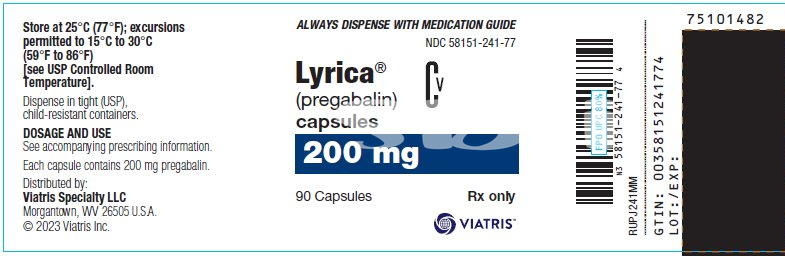
Taking lyrica at the same time each day can help your body adjust and may make fatigue easier to manage. Many people find that evening dosing works well, especially if sleepiness tends to appear after the medicine starts working. A steady routine also helps you notice patterns, so you can tell whether tiredness is linked to the dose or something else.
If your schedule allows, taking lyrica after dinner or before bed may reduce the impact of drowsiness during the day. For others, splitting doses or adjusting timing under medical guidance can make a difference. Small changes often matter, but they should always fit the prescribed plan.
Pay attention to how you feel in the hours after each dose. If morning grogginess, heavy eyelids, or slowed thinking become a pattern, discuss timing with your doctor. A simple adjustment may improve comfort without reducing the medicine’s benefits.
Lyrica, Sleep Quality, and Nighttime Relief
Many people notice that lyrica can ease the discomfort that keeps them awake, especially when nerve pain or anxiety makes bedtime feel impossible. As symptoms settle, falling asleep may become easier, and fewer middle-of-the-night awakenings can make rest feel more continuous and refreshing.
That said, the experience is not the same for everyone. For some, the medicine brings a calming nighttime benefit; for others, it may leave them groggy the next morning. A simple table can help compare how relief, sleep depth, and next-day alertness may shift over time.
Warning Signs You Should Not Ignore
If drowsiness from Lyrica becomes overwhelming, or you notice confusion, slurred speech, trouble breathing, swelling, or a sudden change in mood, don’t brush it off. These signs may suggest a stronger reaction than expected, especially if the dose was recently increased or combined with alcohol, opioids, or other sedatives. Pay attention to falls, blurred vision, or extreme weakness, since they can signal that the medication is affecting you more than it should. NHS Pregabalin MedlinePlus Pregabalin
When symptoms feel severe, persistent, or unusual for you, contact your doctor promptly rather than waiting for them to pass. In some cases, adjusting the dose, changing the timing, or switching medications can help, but safety comes first. Seek urgent care right away if breathing becomes difficult or you feel faint, as these may be serious warning signs. Listening to your body early can prevent a small side effect from turning into a bigger problem.