




To Buy Lexapro Online Visit Our Pharmacy ↓

Recognizing Lexapro Withdrawal: Early Warning Signs
The first hints often arrive quietly: a wave of dizziness, a strange “off” feeling, or sleep that suddenly becomes restless. Some people notice vivid dreams, nausea, or a brief electric-shock sensation in the head. These early changes can be easy to dismiss, especially if life is busy, but they often signal that the body is adjusting.
Emotions may shift too. Irritability, anxiety, tearfulness, or a sense of being unusually sensitive can appear within days of stopping Lexapro. You might also feel foggy, shaky, or unusually tired. Not everyone has the same reaction, and symptoms can vary in strength from mild to disruptive.
| Keep a simple symptom log, note timing, and watch for patterns. If several changes appear at once, or they grow quickly, contact your prescriber. Early recognition helps you respond sooner and avoid unnecessary worry. |
Common Physical Symptoms You Should Expect
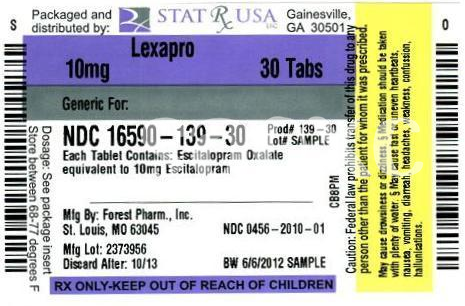
After stopping lexapro, your body may feel as if it is adjusting to a new rhythm. Many people notice dizziness, headaches, nausea, or a “floating” sensation within days. These symptoms can be unsettling, but they are often temporary and part of the brain’s response to a sudden shift in serotonin levels.
You might also experience flu-like discomfort, sweating, tremors, fatigue, or trouble sleeping. Some describe electric-shock sensations, often called “brain zaps,” which can come and go unexpectedly. Appetite changes and stomach upset are also common, making daily routines feel harder than usual.
Even though these physical effects can be uncomfortable, they usually ease as your system stabilizes. Staying hydrated, resting, and tracking symptoms can help you notice patterns and explain them clearly if you need medical support.
Emotional Side Effects during the Adjustment Phase
During the adjustment phase, emotions can feel unusually intense and unpredictable. One moment may bring irritability, and the next, sudden sadness or tearfulness.
Some people notice anxiety rising without warning, along with restlessness, low mood, or a sense of being emotionally “raw.” These shifts can be unsettling, especially after stopping lexapro.
It helps to remember that these feelings are often temporary and part of the brain adapting. Gentle routines, steady sleep, and supportive conversations may soften the emotional swing.
If mood changes become severe, or hopelessness appears, contact a healthcare professional promptly. Monitoring symptoms closely can make this transition safer and more manageable.
Why Withdrawal Happens after Stopping Lexapro

When someone stops Lexapro suddenly, the brain does not have time to adjust right away. This medication helps regulate serotonin, so when it is removed, those chemical levels can shift quickly and create a temporary imbalance. That change is what often sparks withdrawal symptoms.
The body may respond with dizziness, irritability, nausea, or odd “brain zaps” as it tries to recalibrate. These effects are usually not a sign of addiction, but rather a reaction to the nervous system adapting to life without lexapro. Slow tapering often helps make this transition easier.
Practical Coping Strategies for Daily Comfort
Start by simplifying your day. Small routines, regular meals, and steady hydration can make lexapro withdrawal feel more manageable. Keep a notebook nearby to track symptoms, sleep, and triggers, so patterns become easier to spot.
Comfort often comes from basics: gentle walks, deep breathing, and enough rest. If your body feels tense or dizzy, slow down and avoid sudden changes in posture. A calm environment can help reduce overstimulation.
Lean on practical support too. Ask family or friends to check in, and let them know when you need quiet or company. If your prescriber recommended a taper, follow it closely and avoid self-adjusting.
| Daily habit | Why it helps |
| Hydration | Supports energy and reduces discomfort |
| Sleep routine | Stabilizes mood and recovery |
When to Seek Medical Help Promptly
If Lexapro withdrawal is mild, it often settles with rest, hydration, and time. But some symptoms deserve fast attention. If you develop intense anxiety, panic that feels unmanageable, severe dizziness, confusion, chest pain, or a racing heartbeat, contact a healthcare professional right away. New or worsening depression, especially if it comes with hopelessness, agitation, or thoughts of self-harm, should never be ignored.
Think of these signals as your body’s alarm system, not a personal failure. A doctor can help rule out another cause, adjust the taper plan, or recommend support to make the transition safer. If symptoms are so strong that you cannot sleep, eat, work, or care for yourself, seek urgent medical help promptly.