




To Buy Femara Online Visit Our Pharmacy ↓

Understanding Femara’s Role in Hormone Therapy
Femara, also known as letrozole, is often used in hormone therapy because it lowers estrogen production in the body. By blocking the enzyme aromatase, it reduces the amount of estrogen made in fatty tissue and other sites. This action can be important for people whose symptoms or health concerns are influenced by hormone levels, especially after menopause, when estrogen naturally declines and the body may react more strongly to changes in balance.
In this setting, Femara is not a general menopause treatment, but it may be prescribed in specific cases where controlling estrogen is medically necessary. Its role is to support treatment goals while helping clinicians tailor care to each person’s needs.
| Key idea | Effect |
| Less estrogen | Hormone activity decreases |
How Femara Affects Menopause-related Symptoms
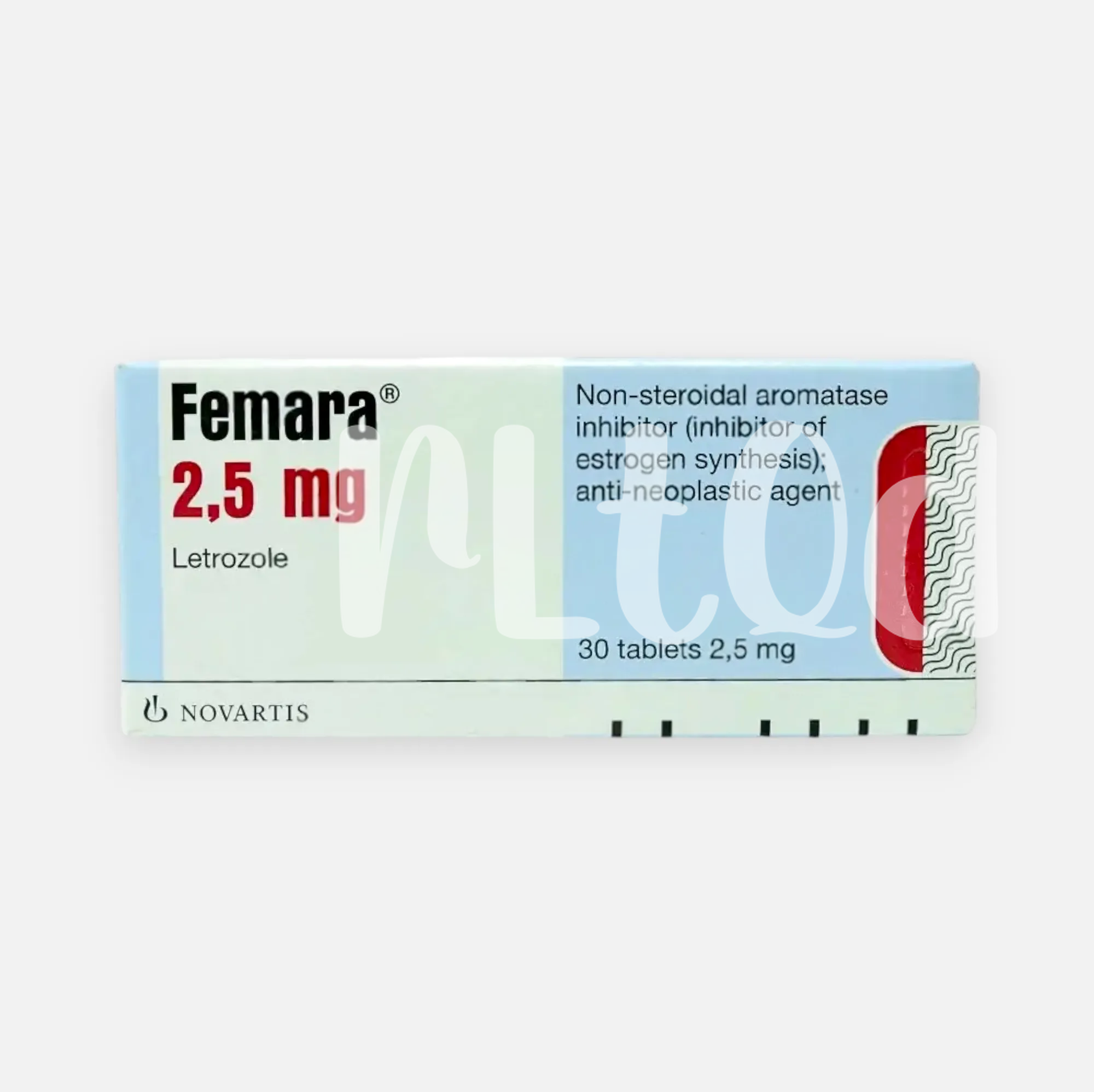
Femara lowers estrogen by blocking aromatase, and that shift can influence menopause-like symptoms. For some women, the drop in estrogen may feel familiar, with sudden warmth, sleep disruption, or emotional changes appearing more noticeable.
Because femara changes hormone balance, the body may respond in different ways over time. Some people notice fewer estrogen-driven symptoms, while others experience more dryness, fatigue, or joint stiffness as levels stay low.
This hormonal adjustment can also affect the nervous system, which helps explain mood swings, irritability, or a sense of being “off.” The experience is often personal and can vary from mild to disruptive.
Understanding these effects makes it easier to track symptoms and recognize patterns. Femara is not a menopause treatment, but its impact on estrogen can shape how menopause-related discomfort is felt day to day.
Potential Benefits for Hot Flashes and Night Sweats
For many people, menopause brings sudden waves of heat that interrupt sleep and daily life. femara may be discussed in this context because it can influence estrogen levels, and that shift may reduce the intensity of hot flashes for some women. When symptoms ease, evenings can feel calmer and mornings more refreshed.
Night sweats can be just as exhausting, often leaving sheets damp and sleep fragmented. By helping stabilize hormone-driven changes, femara may offer relief that makes restful sleep more attainable. Better sleep often supports clearer thinking, steadier energy, and a more comfortable routine during a challenging transition.
Results vary, so it is important to track symptoms and notice patterns over time. Some women experience meaningful improvement, while others need additional support. A doctor can help determine whether femara fits into a broader plan that may include lifestyle changes, sleep strategies, and symptom monitoring.
Managing Joint Pain and Mood Changes

Femara may bring welcome relief for some menopausal symptoms, yet it can also leave women noticing new aches and emotional shifts. The key is to pay attention early and respond with simple, consistent habits.
Gentle movement, stretching, and low-impact exercise can help ease stiffness and support joint comfort. Staying hydrated, resting well, and using warm baths or compresses may also reduce discomfort on harder days.
Mood changes deserve equal care. A regular sleep routine, balanced meals, and stress-reducing practices like breathing exercises or journaling can help stabilize emotions. Support from friends, family, or a counselor may also make a real difference.
If symptoms feel persistent or severe, a doctor can help adjust treatment and suggest safer ways to cope. Small changes often add up, helping Femara fit more comfortably into daily life.
Side Effects and Safety Considerations
Femara can be helpful for some women, but it is not a simple fix, and knowing the risks matters. Common reactions may include tiredness, dizziness, headache, nausea, or aches in the joints and muscles. Some women also notice changes in bone strength over time, which is why follow-up care is important. If symptoms feel intense or new, do not ignore them; small changes can become bigger problems when they are left unmentioned.
Safety starts with sharing your full health history, especially if you have osteoporosis, liver concerns, or take other prescription medicines. Your doctor may suggest bone scans, calcium, vitamin D, or a different plan if femara is not a good fit.
| Key point | Why it matters |
| Monitor symptoms | Helps catch side effects early |
| Check bone health | Supports long-term safety |
Practical Tips for Talking with Your Doctor
Before starting Femara or adjusting your dose, jot down the symptoms you notice, when they happen, and how intense they feel. That simple log gives your doctor a clearer picture than memory alone and can help separate menopause changes from medication effects. Bring a list of every prescription, supplement, and over-the-counter product you use, because interactions can matter. NCBI Bookshelf NCI Letrozole Information
At the appointment, ask directly what benefit you should expect from Femara, how long it may take to notice changes, and which side effects deserve prompt attention. If hot flashes, joint pain, or mood shifts are disrupting daily life, say so plainly. Doctors can often suggest timing strategies, lifestyle changes, or further evaluation before symptoms become overwhelming. PMC Review MedlinePlus Letrozole
It helps to leave with a clear plan: what to monitor, when to follow up, and who to call if problems worsen. If you feel rushed, ask for a summary in writing or use a patient portal message afterward. Shared decisions work best when your concerns are specific, honest, and based on the symptoms affecting your routine most.