




To Buy Diflucan Online Visit Our Pharmacy ↓
What Diflucan Does in Your Body
Diflucan enters the bloodstream and works from the inside out, slowing the growth of yeast that can cause uncomfortable infections. As it circulates through the body, it targets a key process the fungus needs to build its cell membrane, helping weaken the infection over time.
This medicine is often used for vaginal yeast infections, oral thrush, and certain deeper fungal problems. Because it acts systemically, one dose can continue working beyond the moment you swallow it, giving your immune system extra support.
Patients may start feeling relief as symptoms ease, but the medicine still needs time to fully clear the infection. That’s why taking it exactly as directed matters: it helps Diflucan do its job effectively and reduces the chance of the yeast bouncing back.
Why Alcohol and Diflucan Raise Concerns
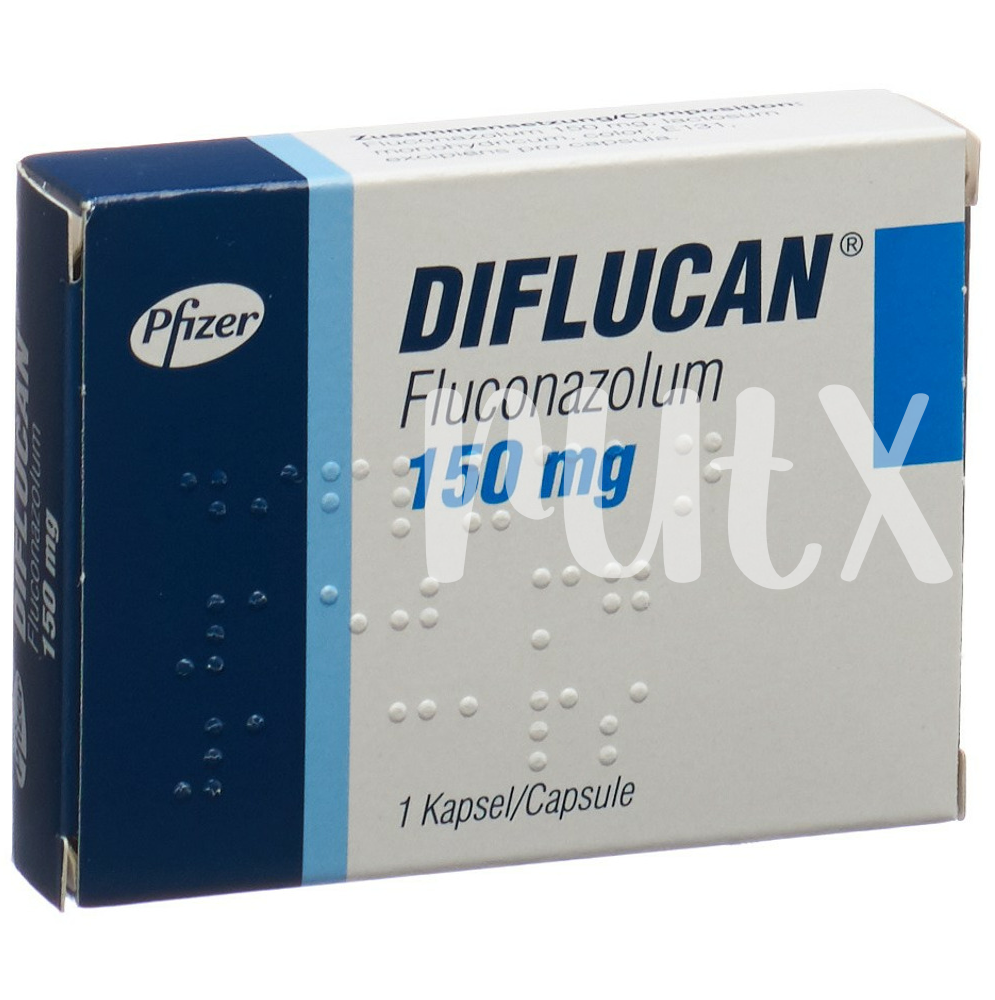
Alcohol and diflucan can be an uneasy combination because both are processed by the liver. When the liver is asked to handle medication and alcohol at the same time, it may work less efficiently, which can make side effects feel stronger and harder to predict.
Diflucan is usually well tolerated on its own, but alcohol can add extra strain to the body. This matters because treatment for a yeast or fungal infection depends on steady recovery, and anything that interferes with how you feel may make the experience more uncomfortable.
Another concern is that alcohol can blur the line between normal medication effects and warning signs. Dizziness, stomach upset, and fatigue may seem minor at first, yet together they can become more noticeable and disruptive during treatment.
Even small amounts may matter more if you are already feeling unwell, dehydrated, or taking other medicines. That is why mixing the two raises caution: the issue is not only interaction, but also the chance that your body has less room to cope.
Common Side Effects When They Mix
Mixing diflucan with alcohol can make ordinary side effects feel more noticeable. Some people report nausea, stomach upset, headache, dizziness, or flushing, and alcohol may add to that uneasy, off-balance feeling. Because both substances can also bother the liver, fatigue or a heavy, worn-down sensation may show up sooner than expected, especially if you drink more than a small amount.
For many people, the reaction is mild, but it can still be distracting and uncomfortable. If you notice increased sleepiness, poor coordination, or a queasy stomach after drinking, it is a sign your body is working harder than usual. Watching for these signals can help you decide whether to skip alcohol until treatment is finished.
How Alcohol May Affect Treatment Success
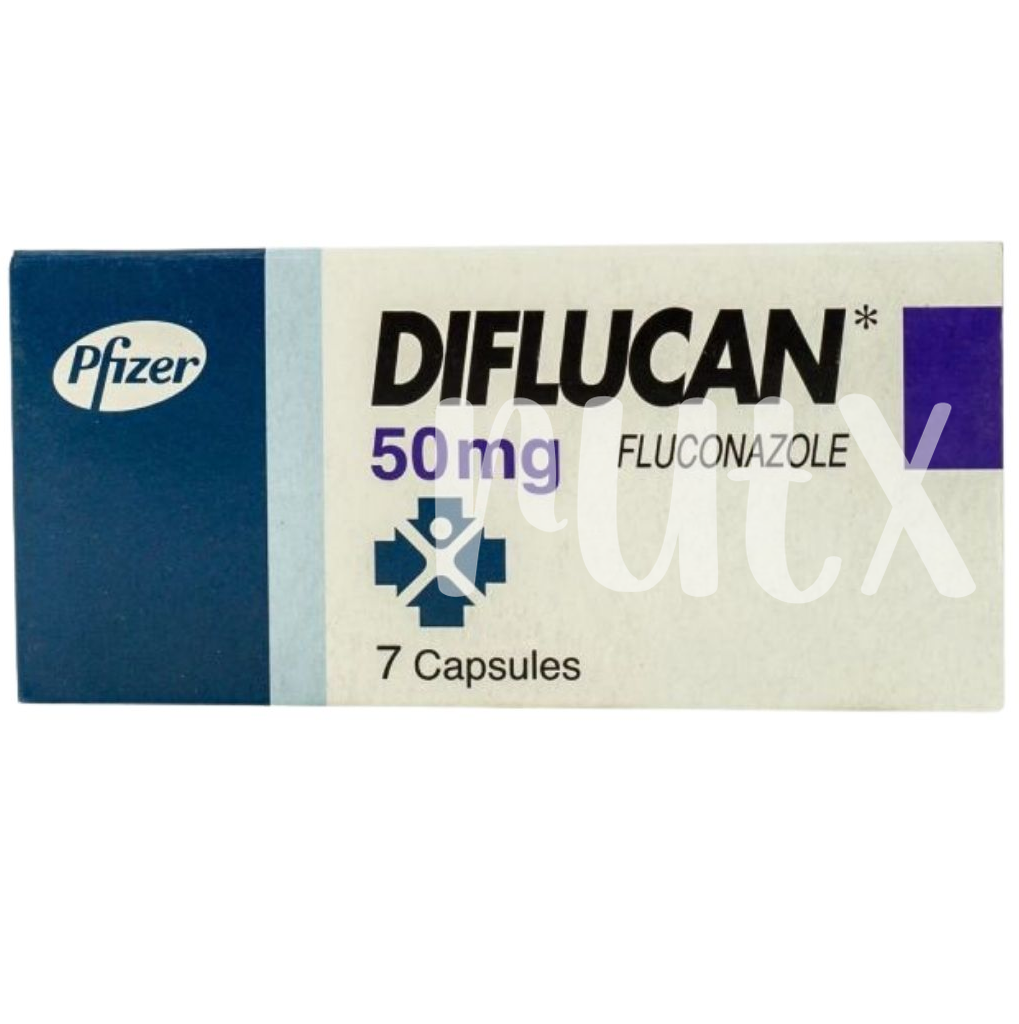
Alcohol can make it harder for diflucan to do its job by stressing the liver and reducing your focus on recovery. Even a small amount may leave you feeling more tired, dizzy, or nauseated, which can make it easier to miss a dose or stop treatment early.
That matters because fungal infections often need steady medication levels to clear fully. If drinking leads to skipped doses or poor appetite, healing may slow down and symptoms can linger longer than expected.
When Drinking Becomes Riskier Than Usual
Alcohol is more concerning for some people than others, and that risk can rise quickly if you already have stomach upset, liver problems, or a history of heavy drinking. Since diflucan is processed through the liver, adding alcohol may make your body work harder than usual. What feels like “just one drink” can become more irritating when your system is already under stress from illness or medication.
The danger also increases if you are taking other medicines that cause drowsiness, nausea, or liver strain. In those cases, alcohol can intensify side effects and make it harder to notice whether the treatment itself is causing a problem. A fever, rash, dark urine, or unusual fatigue should never be brushed off as a simple hangover.
| Risk Factor | Why It Matters |
|---|---|
| Liver disease | Higher chance of added strain |
| Heavy drinking | Greater side effect risk |
| Other medications | Possible interaction buildup |
Safer Choices While Taking Diflucan
When you’re taking Diflucan, the simplest choice is often the best one: skip alcohol for now and give your body a quieter path to heal. Water, herbal tea, and electrolyte drinks can help you stay comfortable, especially if your infection already made you feel run down.
If you want something social, reach for sparkling water with lime, nonalcoholic beer, or a mocktail without heavy sugar. These options let you join the moment without adding strain to your liver or making side effects harder to notice.
Food also matters. A light meal, enough sleep, and steady hydration can support recovery and may ease nausea or headache. If you take other medicines, ask your pharmacist whether they also affect the liver or increase dizziness.
For trusted information, see NHS and MedlinePlus.