




To Buy Clomiphene Online Visit Our Pharmacy ↓
How Clomiphene Boosts Ovulation and Conception
Clomiphene works by gently encouraging the brain to increase signals that tell the ovaries to produce and release an egg. It blocks estrogen receptors, which can make the body think estrogen levels are lower than they are, prompting a rise in follicle-stimulating hormone and luteinizing hormone. For many women, this shift helps create a more reliable ovulation pattern and improves the chance of conception during the fertile window.
This is why clomiphene is often used early in fertility treatment: it can turn irregular cycles into predictable ones and give couples better timing for intercourse or other interventions. When ovulation occurs more consistently, the odds of meeting sperm and egg at the right moment increase.
| Result | Benefit |
| Ovulation support | More regular egg release |
| Cycle timing | Clearer fertile window |
Typical Success Rates by Age Group

Clomiphene success rates often depend on age, because ovarian response and egg quality change over time. In women under 35, ovulation is commonly restored, and many clinics report pregnancy rates that are encouraging when cycles are timed well. Between 35 and 39, clomiphene can still be effective, but success may taper as natural fertility gradually declines. For women 40 and older, the medication may trigger ovulation, yet conception becomes less predictable, making the overall chance of a live birth lower.
Still, age is only part of the story. A younger patient with irregular ovulation may respond quickly, while an older patient with other fertility challenges may need more time or additional support. In real practice, doctors look at age alongside hormone levels, cycle history, and partner factors to estimate likely outcomes. This is why clomiphene is often framed as a first step, not a guarantee, in fertility treatment.
Key Factors That Improve Treatment Outcomes
Success with clomiphene often depends on timing, consistency, and personalized medical guidance. Taking the medication exactly as prescribed helps stimulate ovulation at the right point in the cycle, while tracking ovulation with tests or ultrasounds can improve the chances of conception. Doctors may also adjust dosage based on response, helping avoid missed opportunities or ineffective treatment.
Lifestyle choices matter too. A healthy weight, balanced nutrition, reduced stress, and limiting smoking or alcohol can support reproductive health. When clomiphene is paired with regular follow-up and prompt evaluation of results, couples are more likely to move closer to pregnancy with confidence.
When Clomiphene Works Best in Fertility Plans
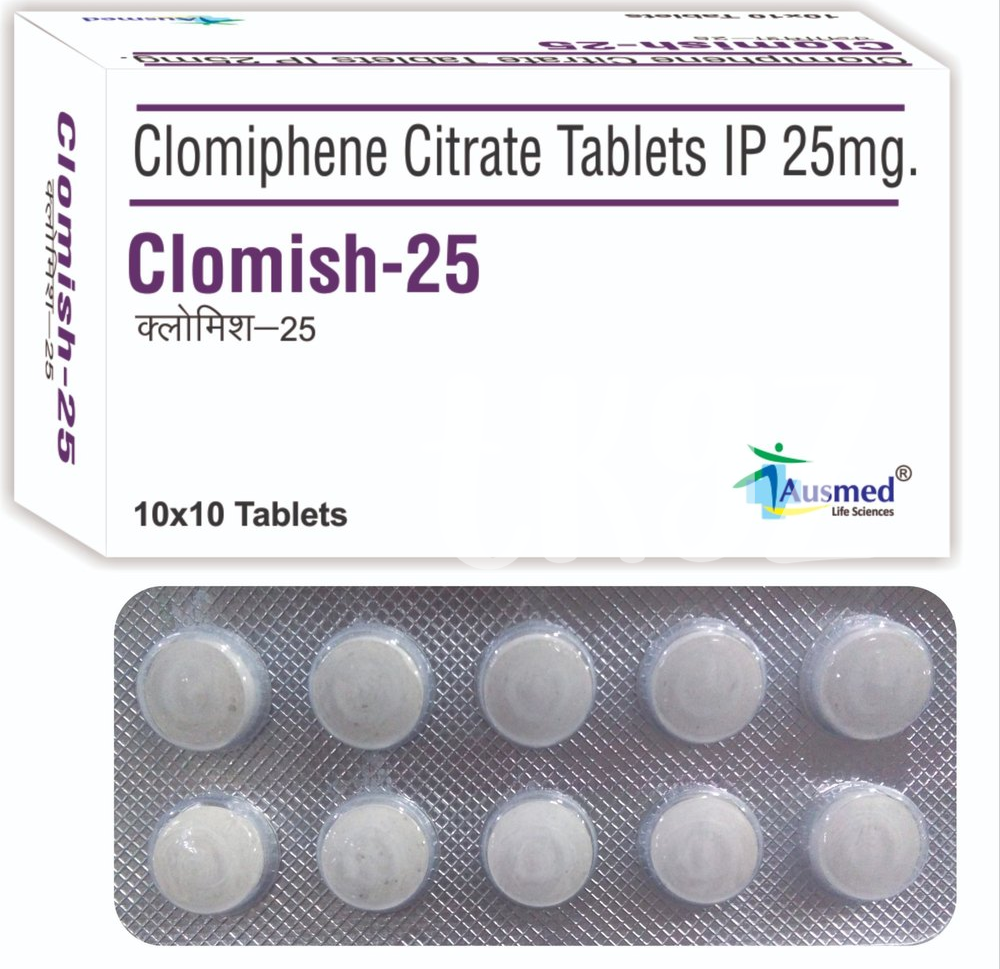
Clomiphene often works best early in a fertility plan, especially when ovulation is irregular but the fallopian tubes are open and sperm health is not a major concern. In these cases, it can help the body release an egg more predictably, making timed intercourse or intrauterine insemination more effective. For many patients, this simple oral medication becomes the first practical step toward conception.
It is also most useful when combined with careful monitoring, cycle tracking, and a healthy lifestyle. Doctors may recommend clomiphene for a few cycles before moving to stronger treatments. When used at the right time and for the right candidate, it can create a clear path forward and improve the chances of pregnancy without unnecessary intervention.
Common Reasons Clomiphene Treatment Fails
Clomiphene can fail when the underlying problem is more complex than irregular ovulation. If sperm quality is low, tubes are blocked, or endometriosis is present, the medicine may trigger ovulation but still not lead to pregnancy.
Another common reason is timing. Clomiphene works best when intercourse or insemination is closely matched to the fertile window. Missing that window can reduce the chance of conception, even if ovulation occurs as expected.
Age and hormone imbalance also matter. Women with diminished ovarian reserve or untreated thyroid, prolactin, or insulin issues may respond less predictably. In some cases, the ovaries simply do not respond well to clomiphene.
| Factor | Effect |
|---|---|
| Timing | Missed fertile window |
| Other fertility issues | Ovulation without pregnancy |
Comparing Clomiphene with Other Fertility Options
Clomiphene is often the first step because it is simple, affordable, and widely used to trigger ovulation. For many people, that makes it a practical starting point before moving to more advanced treatments.
When compared with letrozole, clomiphene may be slightly less effective for some women, especially those with polycystic ovary syndrome. Still, it remains a trusted option when ovulation is the main issue.
If pills do not lead to pregnancy, doctors may suggest injectable hormones, intrauterine insemination, or in vitro fertilization. These treatments can offer higher success rates, but they also come with greater cost and complexity.
The best choice depends on age, diagnosis, and how long conception has been delayed. Clomiphene can work well alone, but it often serves as a useful bridge to more intensive fertility care.