




To Buy Antabuse Online Visit Our Pharmacy ↓
How Antabuse Breaks the Cycle of Relapse
For many people, relapse begins with a familiar pattern: stress, craving, guilt, and another drink. Antabuse helps interrupt that loop by making alcohol use a deliberate choice with immediate consequences, rather than an easy escape.
This pause can be powerful. Knowing that a single sip may trigger nausea, flushing, or discomfort creates a strong barrier at the exact moment temptation feels strongest.
Over time, that barrier gives recovery room to grow. Patients often use the added structure to rebuild routines, attend therapy, and practice healthier responses to triggers.
| Key effect | Relapse interrupted |
Real-life Recovery Wins with Antabuse Support
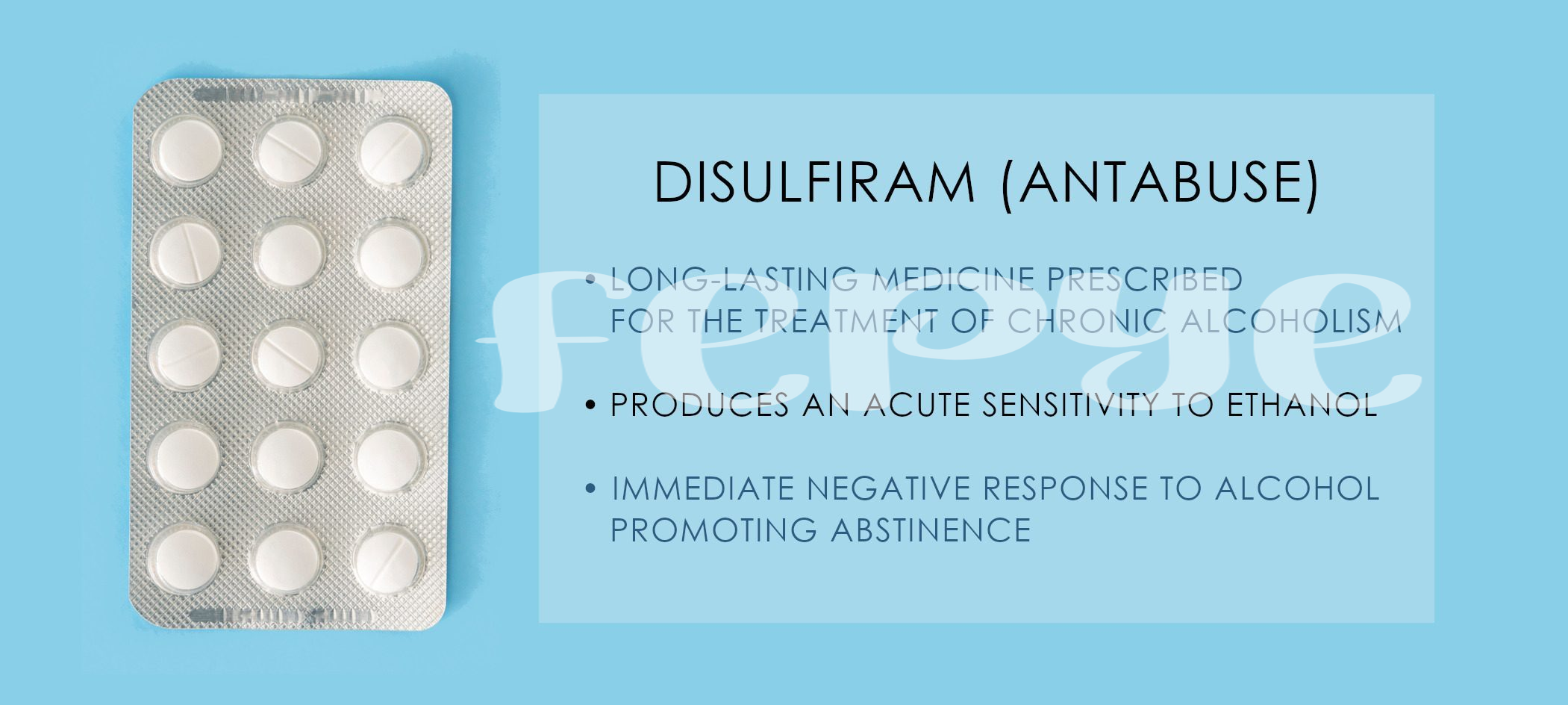
For many people, recovery starts with one small decision: taking antabuse each morning and choosing structure over impulse. One man described how the medication gave him a pause long enough to call a friend, attend a meeting, and get through the evening without drinking. That pause became a turning point. Instead of fighting cravings alone, he had a practical barrier that helped him stay committed while building healthier habits.
A mother in recovery shared a similar win. After repeated setbacks, antabuse helped her feel safe enough to rebuild trust with her family. She paired the medication with counseling, regular check-ins, and honest conversations about triggers. Over time, the fear of relapse softened into confidence, and simple routines like school drop-offs and family dinners became proof that change was possible.
These stories show that success is often gradual, not dramatic. Antabuse does not replace motivation, but it can strengthen it, giving people the support they need to stay on track long enough for real healing to take root.
Building Accountability through Daily Antabuse Treatment
Each morning with antabuse begins with a small, deliberate choice. For many people in recovery, that routine becomes more than a pill; it is a promise to themselves and to the people supporting them. The daily act creates a clear checkpoint, turning intention into action and making sobriety feel tangible.
That consistency builds accountability in powerful ways. When treatment is taken every day, it is harder to drift into old habits unnoticed, and easier to stay connected to a recovery plan. Loved ones, counselors, and support groups can reinforce that structure, helping the person feel observed, encouraged, and responsible in a healthy way.
Over time, this steady rhythm can restore confidence. Instead of relying on willpower alone, people learn to trust a system that keeps them grounded. With antabuse as part of that framework, daily commitment becomes a practical path toward lasting change, one decision at a time.
Overcoming Alcohol Triggers with Antabuse Success

For many people in recovery, the hardest moments come when familiar places, emotions, or routines spark the urge to drink. Antabuse can help turn those high-risk situations into opportunities for progress. By creating a clear physical deterrent, it gives people a stronger pause before acting on impulse, making it easier to choose a healthier response.
This support works best when paired with practical coping tools, such as therapy, planning ahead, and reaching out for help. Many patients describe feeling more confident at family events, stressful workdays, or social gatherings because Antabuse reinforces their commitment. Over time, those trigger-filled moments can become proof that change is possible.
Combining Therapy and Antabuse for Lasting Change
Antabuse can be most effective when it is paired with therapy that addresses the reasons behind drinking. A patient may start treatment feeling guarded, but regular counseling helps uncover stress, trauma, and habits that fuel relapse.
In this combined approach, antabuse creates a clear boundary, while therapy builds coping skills and self-awareness. Together, they support better decisions during moments of temptation.
Many people describe a turning point when they realize they are not fighting alone. With a therapist’s guidance, daily antabuse use becomes part of a bigger recovery plan.
| Support | Benefit |
| Therapy | Emotional healing |
| Antabuse | Deterrence from drinking |
Patient Stories of Hope after Antabuse Use
For many people, recovery begins with a small but powerful moment of belief. After repeated setbacks, Antabuse can give patients the structure they need to pause, reflect, and choose differently. The medication creates a clear boundary around drinking, helping people feel safer as they rebuild their lives.
One patient described the first month as difficult, yet encouraging. With each alcohol-free day, confidence returned. Another shared that the fear of illness after drinking helped interrupt old habits long enough to start therapy, reconnect with family, and repair broken trust. These early wins often become turning points.
Hope grows when progress is visible. Patients often notice better sleep, steadier moods, and renewed motivation once alcohol is no longer controlling daily decisions. Antabuse does not replace personal effort, but it can support the discipline needed to stay committed during vulnerable moments.
For many, the greatest success is not just staying sober, but believing sobriety is possible. That belief helps people move forward with purpose, supported by medical care, counseling, and stronger relationships.